In Elizabeth, New Jersey, the vibrant sounds of gratitude and song have been replaced by a heavy silence as Haitian congregants vanish from the pews of St. Elizabeth’s…
In Elizabeth, New Jersey, the vibrant sounds of gratitude and song have been replaced by a heavy silence as Haitian congregants vanish from the pews of St. Elizabeth’s Episcopal Church. What began as a season of spiritual renewal for the aging parish has turned into a period of mourning and anxiety, driven by the looming threat of mass deportations and the potential termination of federal protections.
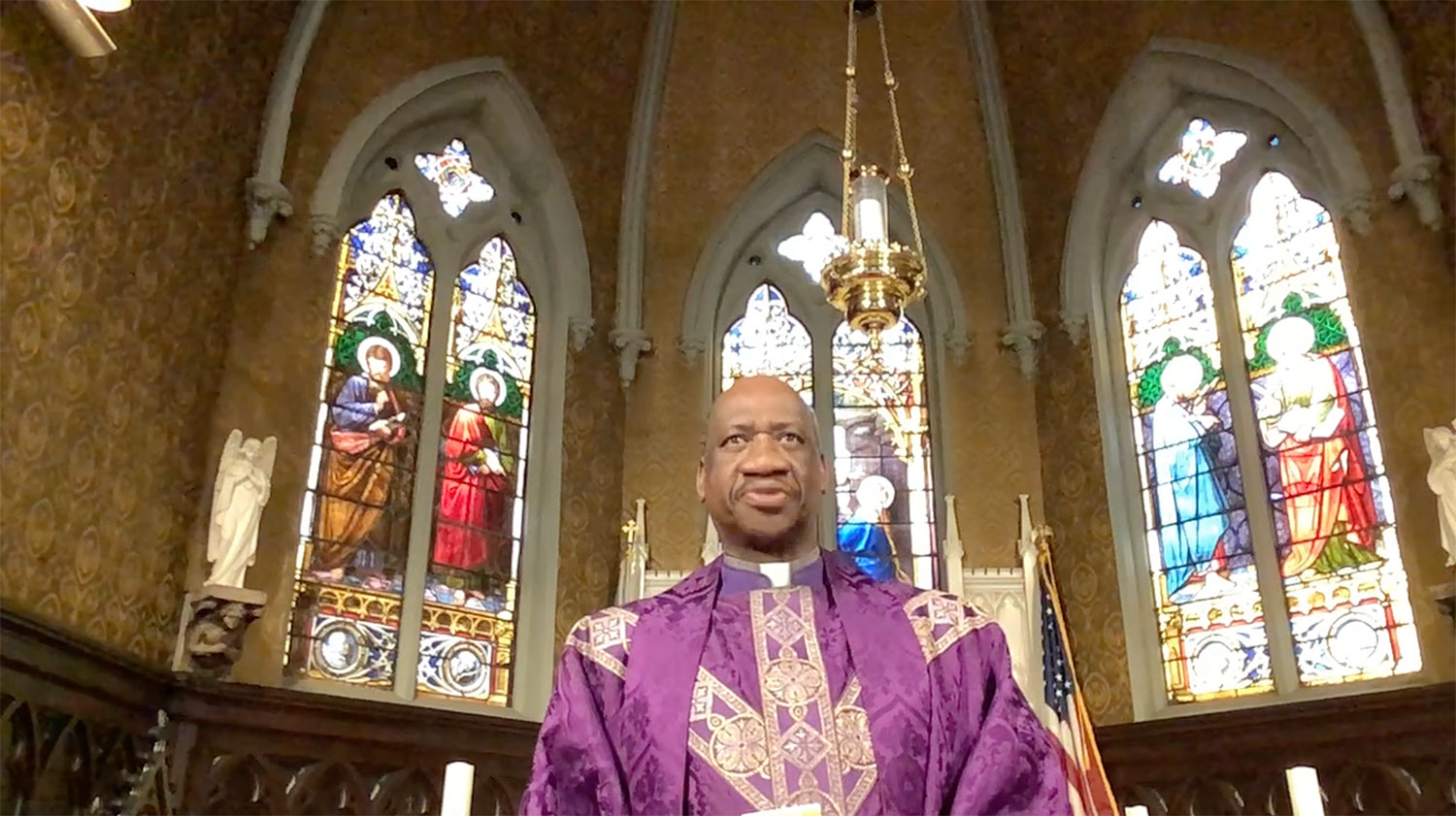
Rev. Canon Andy Moore recently stood before a congregation that looked drastically different than it did just a few months ago. The back-left section of the sanctuary, once packed with families who had breathed new life into the church, sat largely vacant during a recent Sunday service. The catalyst for this sudden exodus was a report that immigration enforcement officers were seen stationed just two blocks away at a local fast-food restaurant. This proximity turned the sanctuary from a place of refuge into a potential trap in the minds of the fearful. Before breaking bread for Communion, Moore led the remaining few in prayer for those hiding in their homes, paralyzed by the possibility of being apprehended while seeking God.
This trend of disappearing congregants is not isolated to New Jersey but is rippling through Haitian communities across the United States. In Boston’s Mattapan neighborhood, Bishop Nicholas Homicil of Voice of the Gospel Tabernacle reports that nearly 80% of his 300-person congregation now stays home, requiring the church to deliver groceries to those too terrified to visit the food pantry. The National Haitian Fellowship, which oversees more than 500 Southern Baptist churches, has seen an average attendance drop of 30% nationwide. Rev. Keny Felix, who leads the fellowship from Miami, notes that the vibrant life of these churches is being stifled by a climate of uncertainty, as families weigh their need for spiritual community against the risk of being separated or sent back to a country in crisis.
The roots of this fear lie in the shifting legal status of the 330,000 Haitians currently living under Temporary Protected Status (TPS). This program was originally established to help those fleeing the catastrophic 2010 earthquake that claimed over 220,000 lives and left the Caribbean nation in ruins. While the federal government has extended these protections multiple times due to ongoing gang violence and political instability in Haiti, a recent move to terminate the status has sent shockwaves through immigrant communities. The Supreme Court is currently weighing the legality of this revocation, with a decision expected by late June. For many parishioners, the wait for a legal ruling feels like a countdown toward a return to the very violence they risked everything to escape.
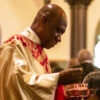
The sanctuary, once a beacon of hope, has become a place of silence.
Behind the statistics are harrowing stories of survival and the search for peace. One member of St. Elizabeth’s, who fled the notorious Cité Soleil neighborhood in Port-au-Prince, arrived in New Jersey after a grueling journey through Central America and Mexico with her infant child. In Haiti, she had been a church leader before gang warfare destroyed her family’s livelihood and burned her childhood home to the ground. After finding St. Elizabeth’s through an English language program, she and her husband became vital parts of the church community—she sang in the Creole choir while he served as a volunteer driver. Now, even those who were most active are retreating. One member, using the name Roseline to protect her identity, admitted that the fear is so pervasive that people are even avoiding online services, worried that digital platforms could be used to track their locations.
Before the current wave of fear took hold, St. Elizabeth’s had transformed into a bustling center for both spiritual and social support. The church’s English classes became so popular that they outgrew their initial space, drawing over 300 students who preferred the safety of the church basement over the local public library. Church members worked tirelessly to help newcomers find stability, with the organist even helping more than 100 migrants draft resumes to find work in New Jersey’s health care sector. These efforts went beyond mere charity; they created a shared life where cultures blended. The parish hall often smelled of traditional Haitian pork dishes, and Moore himself learned to cook "freedom soup" to celebrate Haitian Independence Day with his congregants in celebrations that lasted until the early morning hours.
Despite the pastor’s best efforts to maintain these bonds, the barriers to fellowship are mounting. A donated minivan intended to shuttle immigrants safely to services has sat idle because the church cannot afford the necessary repairs, and the volunteer drivers no longer feel safe operating it. Digital outreach via WhatsApp has also seen a decline in engagement, as the community's sense of security has been fundamentally shattered. Moore describes the current situation as one of the most significant challenges he has faced in his ministry, watching a community he helped build dissolve not because of a lack of faith, but because of a desperate need for self-preservation. The empty pews serve as a stark reminder of the fragile nature of the sanctuary when faced with the hard realities of national policy.
A Christian Perspective
As we look at the empty seats in Elizabeth and Boston, we are reminded that the Church is called to be a city on a hill—a place of refuge and light for those who are weary and heavy-laden. The Bible frequently commands us to show hospitality to the stranger, for in doing so, some have entertained angels without knowing it (Hebrews 13:2). When our brothers and sisters in Christ are forced into the shadows, the entire Body of Christ suffers. A church is not merely a building or a weekend gathering; it is a family where the burdens of one are the burdens of all. The fact that faithful believers are afraid to sing praises together should stir a deep sense of compassion and a call to prayer within all of us.
The story of the "freedom soup" shared at St. Elizabeth’s is a beautiful picture of the Gospel’s power to unite and liberate people from every nation and tongue. Yet, today, that freedom is being eclipsed by a spirit of fear that prevents the faithful from gathering in person. Scripture tells us that "if one part suffers, every part suffers with it" (1 Corinthians 12:26). As a faith community, our response must be rooted in that shared suffering and a commitment to love our neighbors as ourselves. We must pray for justice and for the protection of those who are vulnerable, ensuring that the witness of the Church remains a source of hope rather than a place of fear. The "Mèsi Bondye" heard on Christmas Eve should remind us that God’s grace is not bound by borders, and our care for one another should not be either.
Source: Religion News Service
Originally reported by Religion News Service.
0 Comments
Be the first to weigh in on this story.